
What is a Bioaerosol Hazard Source
A bioaerosol hazard source is any activity, process or condition that results in the release of airborne biological material (bioaerosols). In waste facilities, releases typically occur when organic material is disturbed, moved or processed. The released particles are microscopic and can remain airborne, but they are present wherever organic waste is disturbed.
Why a Bioaerosol Hazard Source Checklist Is Needed
Exposure to bioaerosols in the waste and recycling industry has been associated with respiratory illness, airway irritation, eye irritation and gastro-intestinal effects.
Under the Control of Substances Hazardous to Health Regulations (COSHH), biological agents that cause infection, allergy or toxicity are classified as hazardous substances. There are no UK Workplace Exposure Limits for bioaerosols. Control depends on identifying exposure sources and applying appropriate measures.
D&F Associates developed the bioaerosol hazard source checklist to support COSHH risk assessment process. It brings together common waste-handling activities linked to elevated bioaerosol levels and provides a structured prompt for review within COSHH assessments..
Bioaerosol Exposure Risk in Waste Processing
Bioaerosols can contain bacteria, fungal spores and other microbial components capable of triggering inflammatory or allergic responses in susceptible individuals. Waste streams frequently contain materials capable of supporting microbial growth, including food residues, plant material and other organic fractions.
Health and Safety Executive research in RR977 – Occupational Hygiene implications of processing waste at Materials Recycling Facilities (MRFs): Exposure to bioaerosol and dust (2013) states that exposure to bioaerosols has been associated with a range of adverse health effects, including respiratory symptoms. The report also confirms that bioaerosols may contain bacteria and fungi with the potential to cause adverse health effects.
Industry guidance confirms that repeated exposure to bioaerosols can result in respiratory illness, airway irritation, and other adverse health effects, particularly where concentrations are elevated or exposure is prolonged. Waste processing environments can therefore present inhalation exposure risks where dust and bioaerosols are generated and controls are not proportionate to the task.
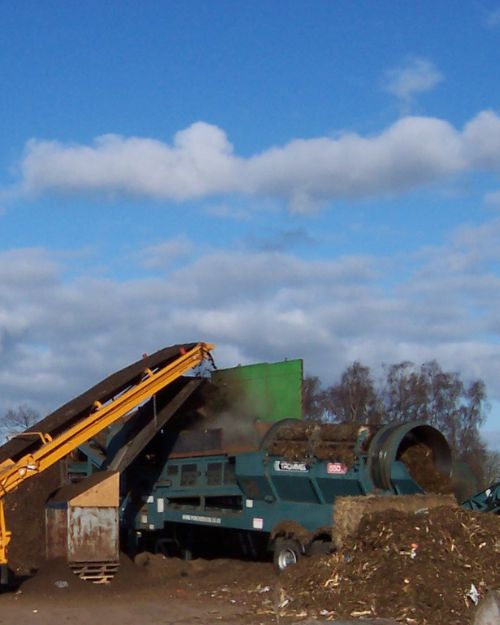
Common Bioaerosol Hazard Sources on Waste Sites
Bioaerosol exposure within waste facilities is closely linked to operational activity. Airborne biological particles are generated when waste materials containing microorganisms are disturbed during handling or processing. The highest bioaerosol exposures are often linked to routine operational tasks, such as:
- Manual sorting or picking through waste
- Maintenance and cleaning activities that disturb settled dust
- Tipping operations within covered or enclosed halls
- Conveyor transfers, baling, or other energetic movement of organic waste materials
The likelihood and scale of exposure can vary depending on operational conditions. Factors such as the type of waste handled, the intensity of material movement, building ventilation and worker proximity to the activity can influence airborne concentrations of biological material. Identifying bioaerosol hazard sources in operational activities is a key step in assessing occupational exposure risk.
Supporting COSHH Risk Assessments
Routine tasks are not always captured within COSHH risk assessments. Where hazard sources are not identified, control measures may not reflect the actual exposure risk. A bioaerosol hazard source checklist supports structured review of these activities.
The checklist is not a replacement for a COSHH assessment. It is a practical support tool.
It can be used to:
- Identify activities likely to generate airborne bioaerosols
- Confirm that those activities are reflected within the risk assessment
- Review whether existing control measures remain appropriate
- Prompt further monitoring or specialist advice where necessary
Effective control of bioaerosol exposure depends on identifying and managing bioaerosol hazard sources at the point of generation.
Identify potential exposure sources within your site operations

Sandra Davies, Managing Director and Microbiological Services Manager, explains:
Handling and processing waste inevitably generates bioaerosols, particularly where materials are moved or agitated. The checklist helps operators step back and review routine activities to ensure potential exposure sources are properly considered within their COSHH assessments.
We hope the checklist is useful for people working in the waste and recycling industry to identify whether a potential health hazard is present.
Experience Behind the Checklist
D&F Associates has operated from Widnes since 1999. The independent laboratory has produced or project managed hundreds of bioaerosol monitoring reports and Site Specific Bioaerosol Risk Assessments across the UK. Managing Director, Sandra Davies contributed technical expertise to the Environment Agency Bioaerosol Steering Committee during development of TGN M9.
The bioaerosol hazard source checklist draws on this expertise and operational experience. It reflects exposure patterns observed across composting facilities, anaerobic digestion sites, material recovery facilities, energy from waste plants and waste transfer stations.
Identify potential exposure sources within your site operations
Frequently Asked Questions
What are bioaerosols
Bioaerosols are a complex mixture of airborne particles of biological origin, including bacteria, fungal spores and fragments of organic material suspended in air. They are generated when organic waste is handled or processed, particularly where material is disturbed or moved.
What are the exposure limits for bioaerosols
Bioaerosols do not have UK Workplace Exposure Limits (WELs). Risk is assessed using task-based assessment, monitoring data and published guidance. Indicative ranges may be used to support interpretation but are not regulatory limits.
What is an example of a bioaerosol
Examples of bioaerosols in the waste and recycling industry include:
- Aspergillus fumigatus, a fungal spore and known respiratory sensitiser
- Actinomycetes, filamentous bacteria associated with respiratory effects
- Gram-negative bacteria that produce endotoxins linked to inflammatory responses
Bioaerosols also include general bacteria, fungi and fragments of organic material present in waste streams.
What is a bioaerosol hazard source
A bioaerosol hazard source is any activity, process or condition that results in the release of airborne biological material. In waste facilities, this occurs where organic waste is disturbed, moved or processed.
Where do bioaerosol hazard sources occur on waste sites
Bioaerosol hazard sources occur during routine operations such as tipping, sorting, cleaning and transferring waste materials, particularly where organic material is handled or agitated.
Why are bioaerosols a concern in the waste industry
Bioaerosols can contain microorganisms and biological components that may cause respiratory illness, irritation and other adverse health effects, particularly where exposure is repeated or concentrations are elevated.
How are bioaerosol risks assessed
Bioaerosol risks are assessed within COSHH risk assessments by identifying potential exposure sources, reviewing site activities and applying control measures appropriate to the level of risk.